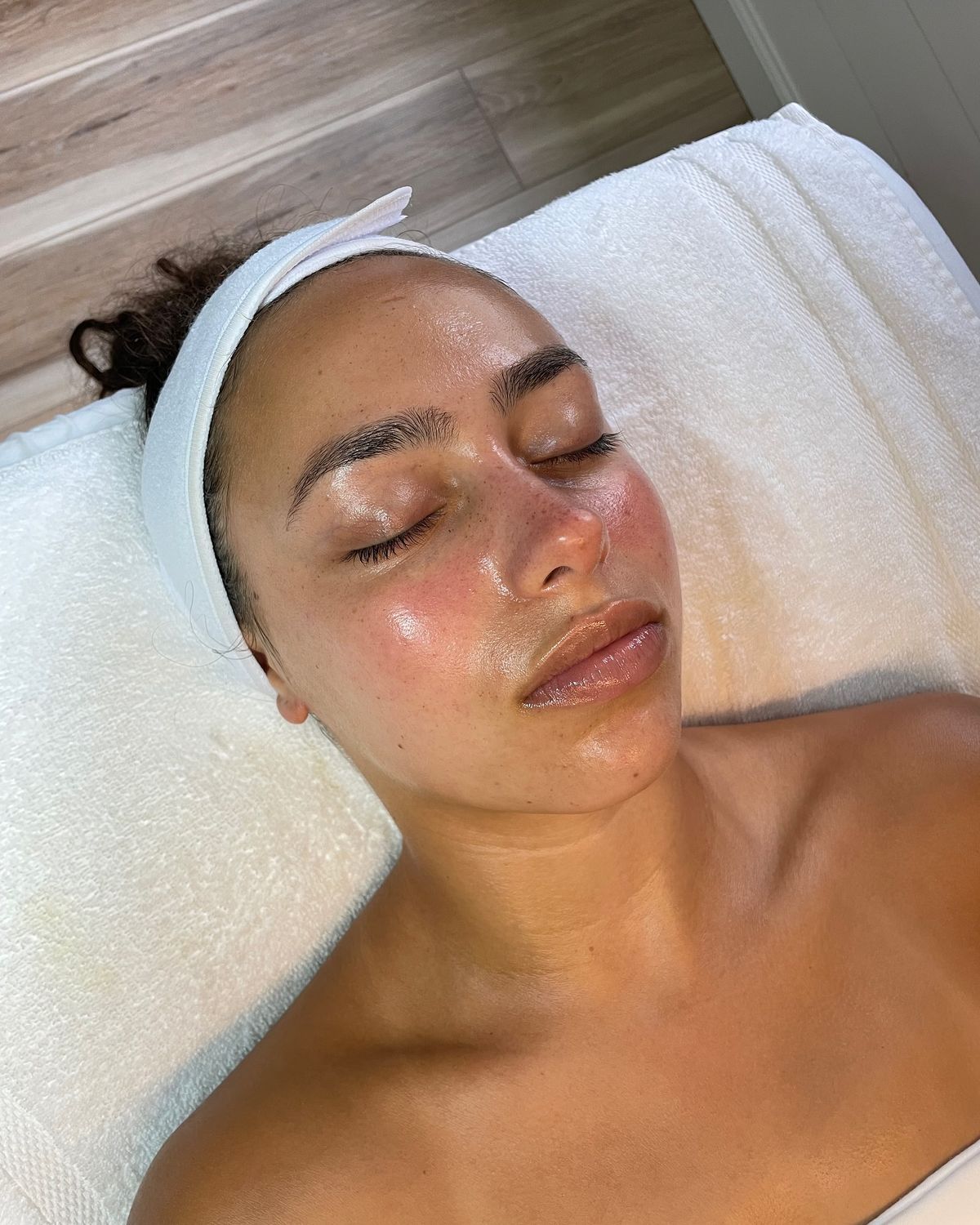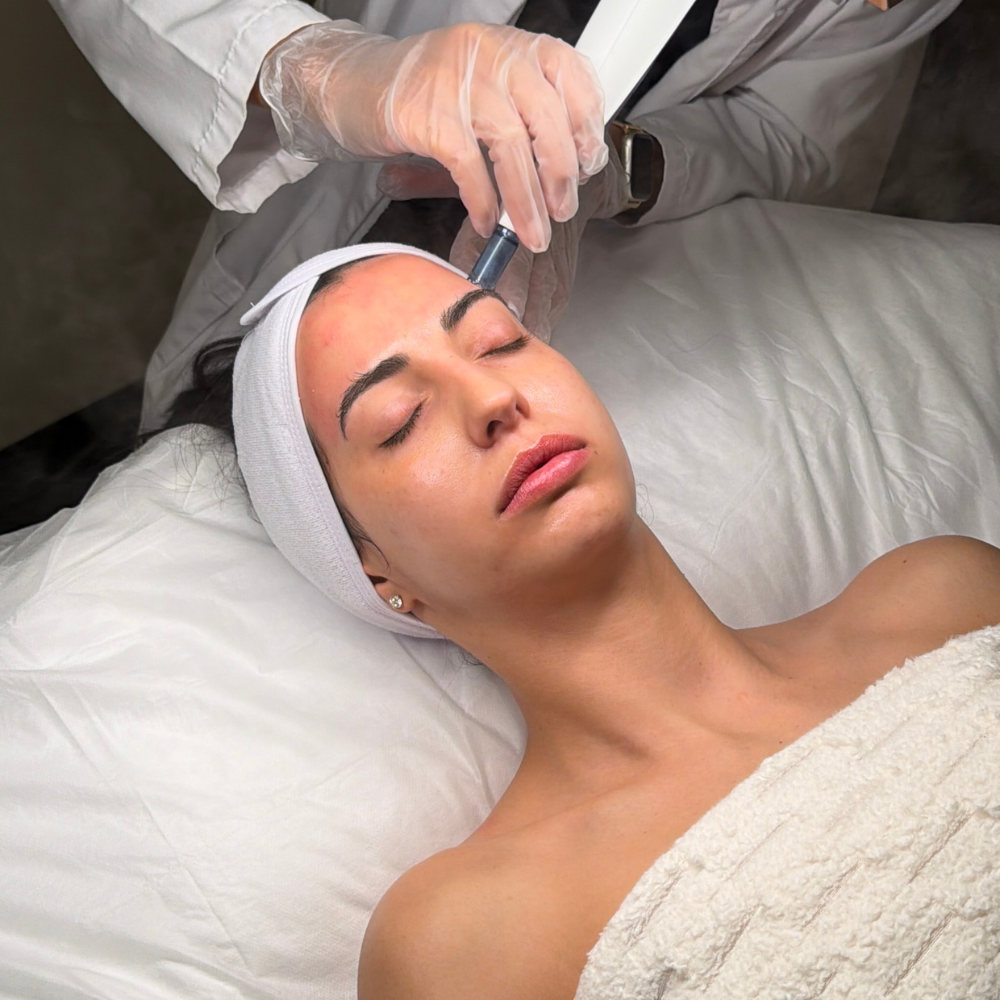
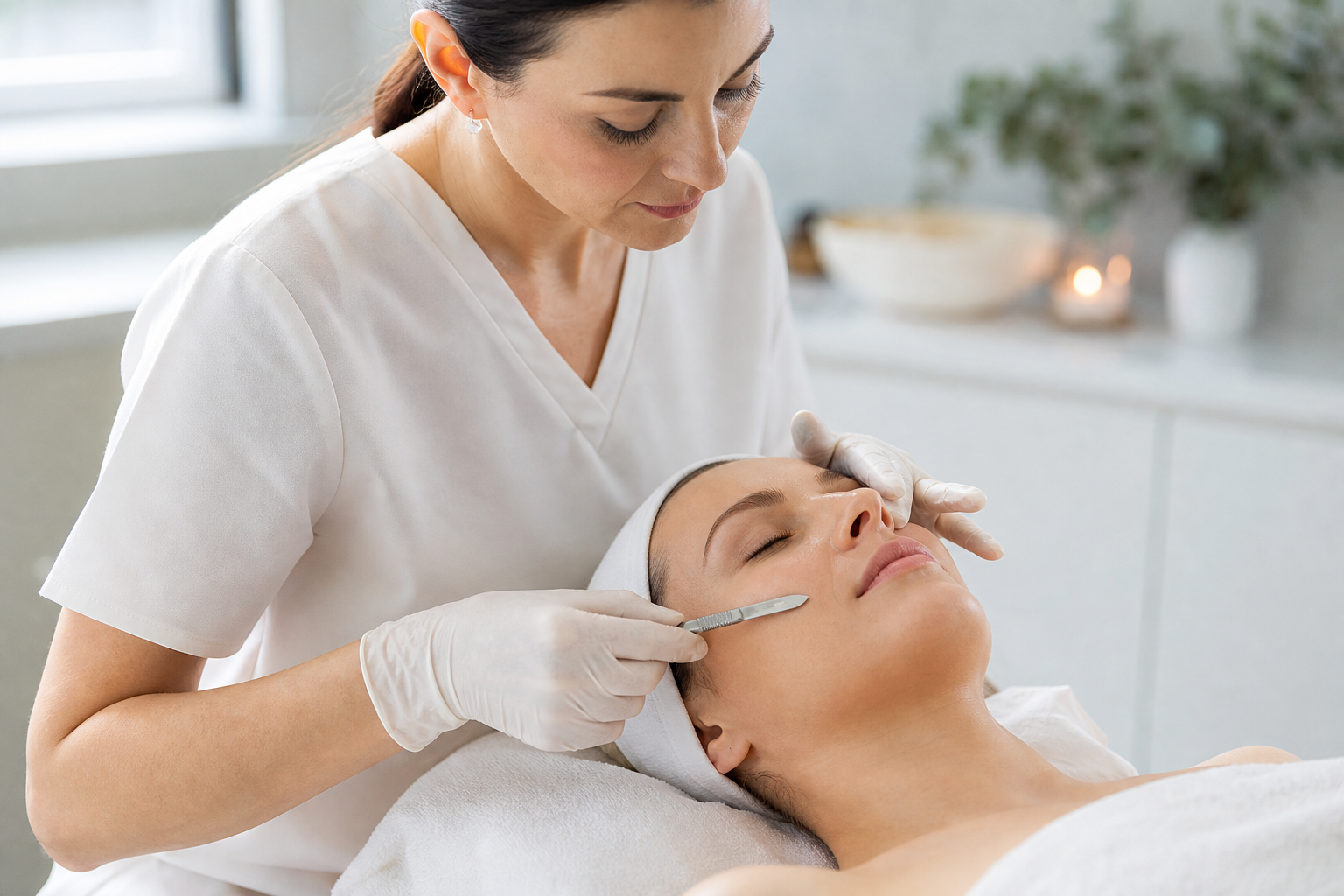
Dermaplaning facial hair removal is a manual exfoliation technique that uses a sterile, surgical-grade blade to gently sweep away dead skin cells and the fine, soft "peach fuzz" (vellus hair) on the surface of the face. Unlike waxing or threading, which are dedicated hair-removal methods, dermaplaning is primarily an exfoliation treatment that happens to remove that fine hair as a side benefit. The result is a smoother, brighter surface and skin that feels noticeably softer to the touch.
Key Takeaways
- Dermaplaning is manual exfoliation with a surgical blade that also removes fine facial hair; it does not affect coarse or deep hair growth.
- Expect little to no downtime, smoother makeup application, and results that typically last three to four weeks.
- As a standalone service it commonly runs $75 to $175, or $25 to $50 as an add-on to another facial.
- It suits most skin types but is not ideal for active acne breakouts, cystic acne, or very sensitive/reactive skin.
- Always choose a licensed esthetician or medical provider; blade technique and sanitation matter.
What Is a Dermaplaning Facial?
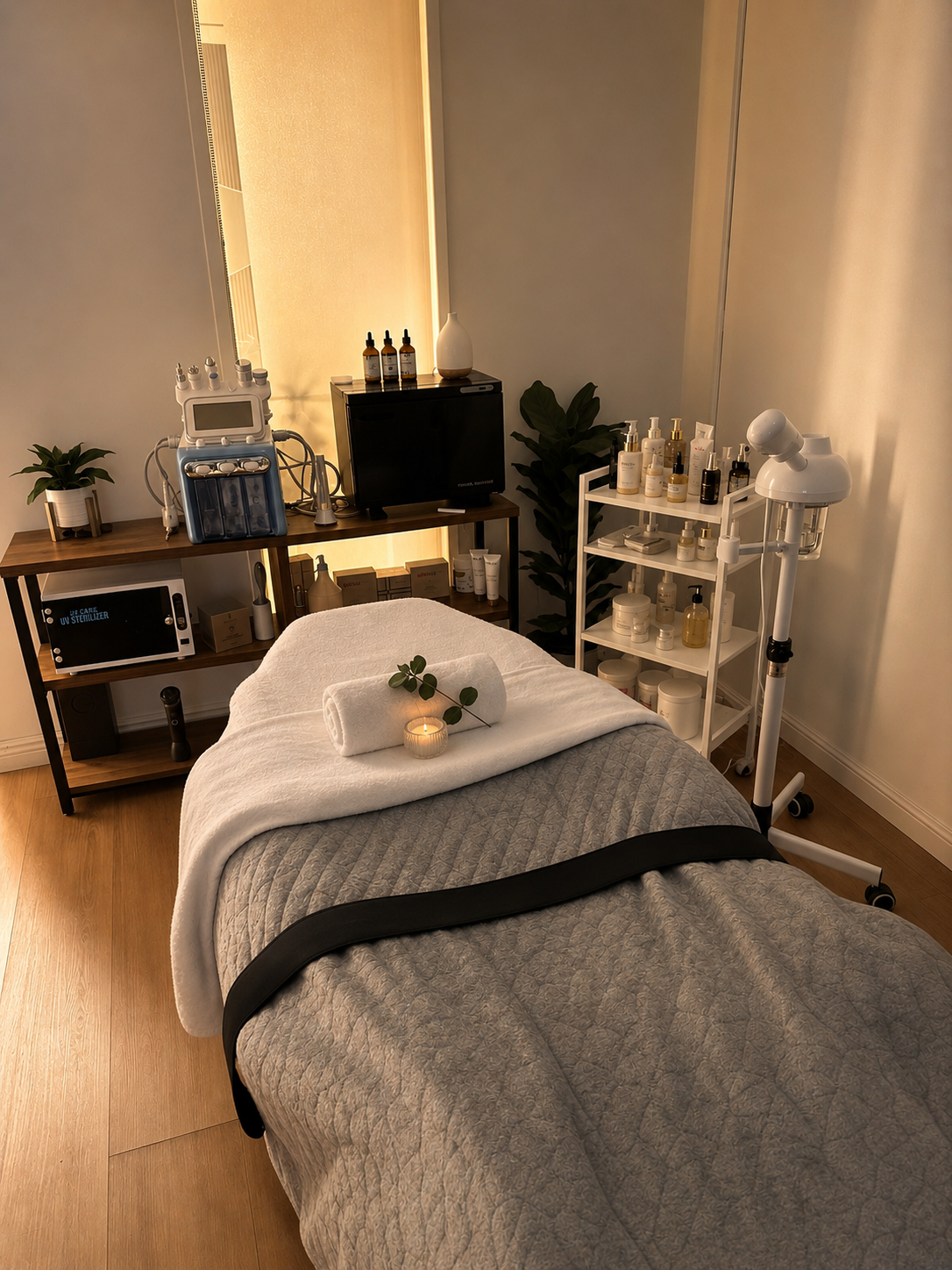
A dermaplaning facial combines the blade exfoliation described above with the standard steps of a professional facial: cleansing, sometimes light steam, the dermaplaning pass itself, and finishing products like serums, masks, or moisturizer. So when readers ask "what is a dermaplaning facial" or "what is a facial with dermaplaning," the honest answer is that it is a full facial treatment with the added step of controlled blade exfoliation.
During the treatment, your provider holds the skin taut and moves the blade across it at roughly a 45-degree angle in short, feather-light strokes. It is not a shave in the drugstore sense; the pressure is minimal and the goal is to lift off dead cells and vellus hair, not to cut into the skin. Most people find it completely painless and often relaxing.
What to expect: before, during, after
- Before: Skip strong exfoliating acids and retinoids for a few days beforehand. Arrive with clean skin, or your provider will cleanse first.
- During: The blade portion usually takes 20 to 30 minutes within a session that runs 45 to 60 minutes total. You may hear a soft scraping sound, which is normal.
- After: Skin looks brighter immediately. There is essentially no downtime, though skin may be slightly pink for a few hours. Wear sunscreen, since freshly exfoliated skin is more sun-sensitive.
Is Dermaplaning Facial Hair Removal Actually Good for Your Face?
For most people, dermaplaning facial hair removal is a safe, effective way to exfoliate and brighten. It can help skincare products absorb better, smooth the surface so makeup sits more evenly, and temporarily remove the fine hair many people find bothersome. Results build with consistency: a single session gives an immediate glow, and monthly treatments help maintain that smoothness over time.
A common worry is whether the hair grows back thicker or darker. It does not. Vellus hair grows back at the same fine texture it had before, because dermaplaning only removes it at the surface and does not change the follicle. This is different from coarse terminal hair, which dermaplaning is not designed to treat.
Dermaplaning is generally not recommended if you have:
- Active, inflamed acne or cystic breakouts (the blade can irritate lesions)
- Very sensitive, reactive, or rosacea-prone skin that flushes easily
- Open wounds, sunburn, or certain active skin conditions
If any of these apply to you, an Acne Treatment Facial or a gentler Classic Facial may be a better starting point. A licensed provider can assess your skin and recommend the right approach.
Can You Do Dermaplaning and a Facial Together?
Yes, and this is actually the most common way it is performed. Dermaplaning pairs well with facials because exfoliating first lets the products that follow penetrate more effectively. Many spas bundle it with a hydrating mask, LED light therapy, or a light chemical peel to enhance the smoothing effect.
Because the skin barrier is freshly exfoliated, providers usually avoid layering aggressive actives on the same day. The pairing should feel complementary, not harsh. If you are combining dermaplaning facial hair removal with a peel, your provider will typically use a milder formulation than they might use on non-dermaplaned skin.
What Is a Microdermabrasion Facial, and How Is It Different?
Since these two treatments are often mentioned together, it helps to clarify. So what is a microdermabrasion facial? It is a device-based exfoliation that uses either fine crystals or a diamond-tipped wand plus gentle suction to buff away the outermost layer of dead skin. Where dermaplaning uses a blade and also removes fine hair, microdermabrasion uses a machine and does not remove hair.
Both exfoliate and brighten, but they suit slightly different goals:
- Dermaplaning: Best if peach fuzz removal and instant surface smoothness are priorities.
- Microdermabrasion: Often chosen for texture, mild congestion, and dull skin, with a slightly deeper mechanical polish.
If you are researching where to get microdermabrasion in the Murray area, a Microdermabrasion Facial is a solid option to discuss with a provider. Some clients alternate the two treatments across visits depending on their skin's needs that month. If your main goal is removing fine hair rather than deeper resurfacing, dermaplaning facial hair removal is usually the better match.
What Dermaplaning Facial Hair Removal Typically Costs
Pricing varies by provider credentials, session length, location, and whether add-ons are bundled in. In the Salt Lake Valley, suburban pricing tends to run at or slightly above national small-market averages and below big-metro rates. As a general guide:
- Dermaplaning facial: roughly $75 to $175 as a standalone service, or $25 to $50 as an add-on.
- Classic facial: roughly $60 to $120.
- Microdermabrasion facial: roughly $90 to $200, reflecting equipment cost.
- Non-surgical facelift facial: roughly $100 to $300 or more, given specialized devices and longer sessions.
- Men's facial: roughly $60 to $130.
The main price drivers are the practitioner's license and experience, whether it is a single session or a package, and which add-ons (masks, LED, peels, extractions) are included. First-visit specials are common in this category, so it is worth asking. Prices change often, so confirm current rates directly with the provider before booking.
How to Choose a Qualified Dermaplaning Facial Hair Removal Provider in Murray
Because dermaplaning facial hair removal is a blade technique, the person holding it matters more than any marketing. Look for a licensed esthetician or medical professional, confirm that single-use or fully sterilized blades are standard, and ask how they tailor the treatment to your skin type. A good provider will decline to dermaplane over active acne rather than push the service.
Murray sits in the middle of the Salt Lake Valley and serves clients from Salt Lake City, Millcreek, Midvale, Taylorsville, and Sandy. As a regional healthcare hub, the area draws people comfortable with clinical-adjacent beauty services, so options range from day spas to more medically oriented settings.
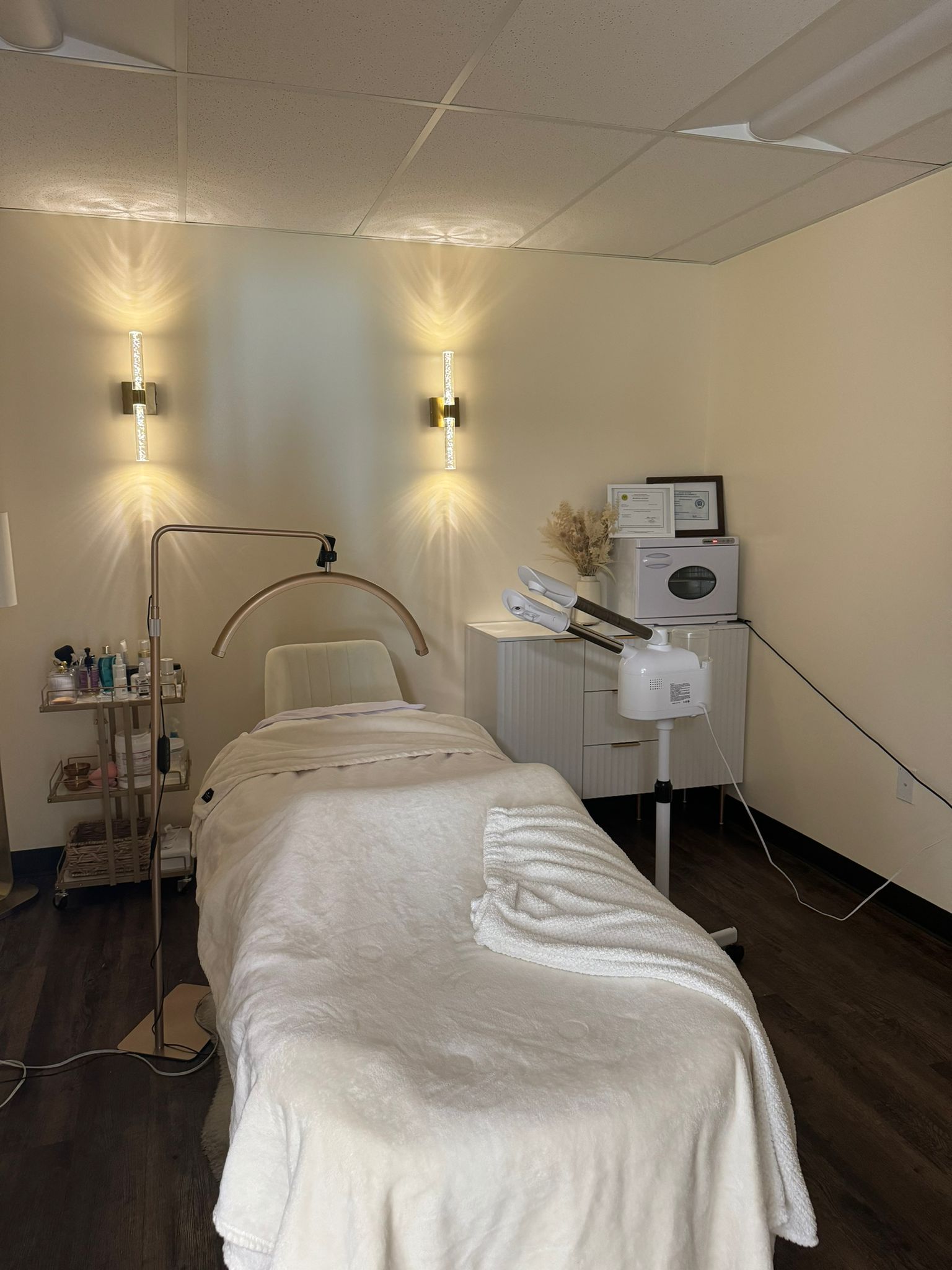
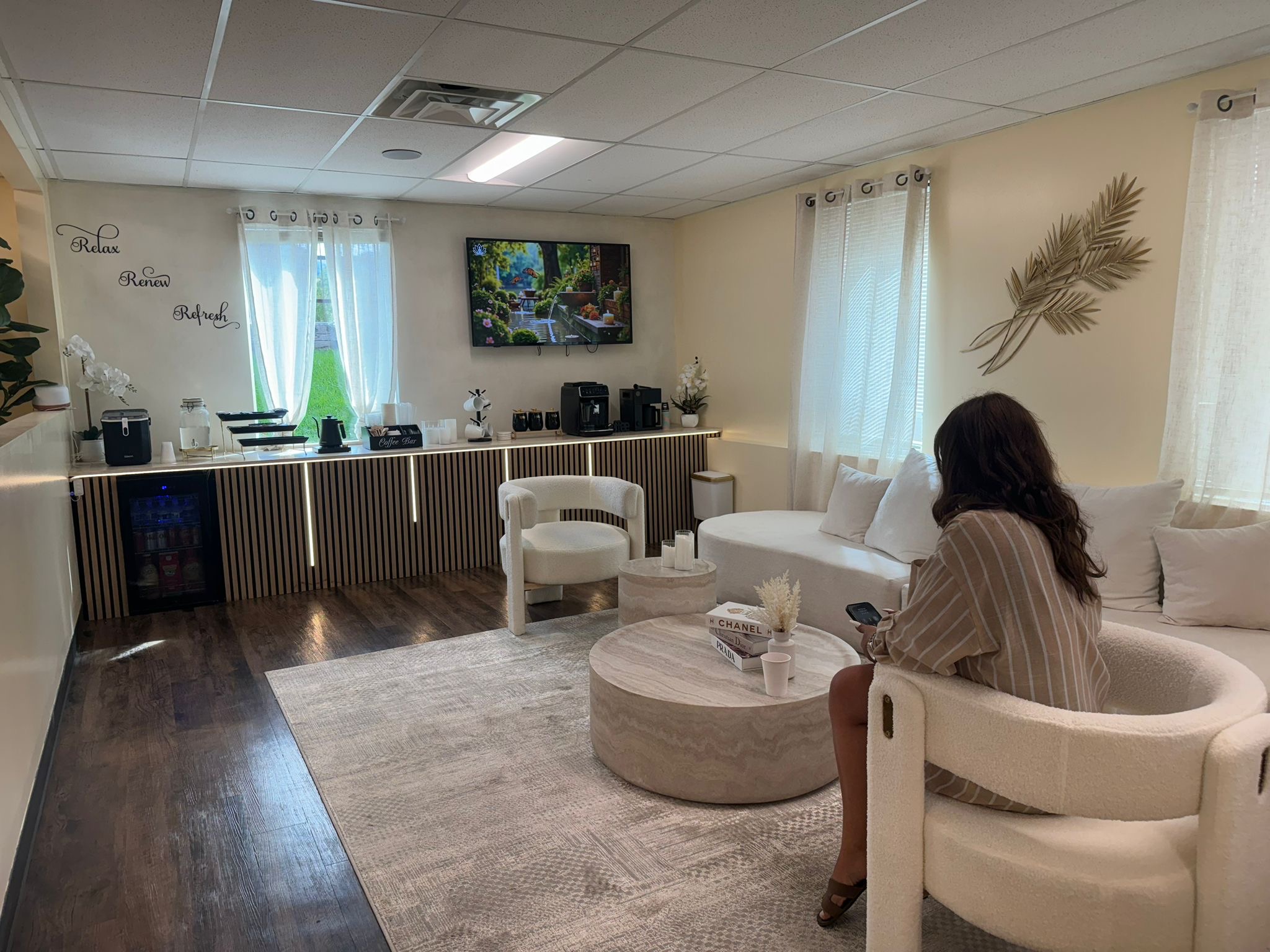
Lumiere Beauty & Spa in Murray, UT is one strong local option. Their menu includes a dedicated Dermaplaning Facial alongside classic, acne, microdermabrasion, non-surgical facelift, and men's facials. Their approach pairs advanced facials with LED light therapy and AI skin analysis to tailor treatments, which fits well for anyone wanting guidance rather than a one-size-fits-all service. Clients from Murray and nearby Salt Lake City areas visit for natural, lasting results in a calm setting.
Ready to experience Lumiere Beauty & Spa in Murray?
Book a Visit at Lumiere Beauty & SpaNext Steps for Smoother, Hair-Free Skin
If dermaplaning facial hair removal sounds like the right fit, start with these practical moves:
- Pause retinoids and strong acids for two to three days before your appointment.
- Book a first session as a standalone or add-on so you can gauge how your skin responds before committing to a package.
- Plan on monthly visits if you want to maintain the smooth, fuzz-free surface, since results typically last three to four weeks.
- Commit to daily sunscreen afterward; freshly exfoliated skin needs the protection.
- Ask your provider about combining it with a mask or LED session for added benefit.
This article is informational and not medical advice. For guidance on your specific skin, consult a licensed esthetician or medical provider who can assess you in person and recommend the safest approach.