When you're comparing facial treatments and trying to decide between dermaplaning vs hydrafacial, the choice often comes down to what your skin actually needs right now rather than which treatment sounds more advanced. Both are popular, non-invasive options with minimal downtime, but they work in different ways and deliver different types of results. Understanding those differences before you book can help you choose a facial treatment that actually matches your skin goals.
Key Takeaways
- Dermaplaning uses a surgical-grade blade to physically remove dead skin and vellus hair, giving an immediate smooth, matte finish.
- Hydrafacial is a form of hydradermabrasion that combines exfoliation, extraction, and hydrating serums in one multi-step treatment.
- Neither treatment is inherently 'better'; the right choice depends on your skin type, sensitivity, and desired outcome, and a licensed provider can help tailor the approach.
Dermaplaning vs Hydrafacial: Understanding the Basics
At their core, both treatments aim to refresh the skin's surface by removing buildup that makes complexions look dull. The dermaplaning vs hydrafacial conversation usually starts here, because while the goal overlaps, the method is completely different.
Dermaplaning is a manual exfoliation technique. A trained esthetician uses a fine, sterile blade at a shallow angle to gently scrape away the top layer of dead skin cells and fine facial hair (often called "peach fuzz"). There's no chemical or suction involved; it's purely mechanical exfoliation.
Hydrafacial, on the other hand, is a form of hydradermabrasion. It uses a device that combines exfoliation, gentle suction-based extraction, and infusion of hydrating or targeted serums, all in a single multi-step session. It's often described as a deeper, more comprehensive treatment because it addresses more than just surface texture.
Exfoliation vs Hydradermabrasion: What Each Treatment Involves
Dermaplaning: Exfoliation With a Blade
A typical dermaplaning session takes 20 to 30 minutes. The provider cleanses the skin, then uses short, feathering strokes to remove dead skin cells and vellus hair. There's no downtime, no discomfort beyond a light scratching sensation, and skin often looks brighter immediately afterward because makeup and skincare products can absorb more evenly.
At Shay Beauty Spa MedSpa in Bedford, MA, dermaplaning is offered as a standalone service for clients who want quick, low-commitment exfoliation without any injectables or devices involved.
Hydrafacial: Multi-Step Hydradermabrasion
A hydrafacial session generally runs 30 to 45 minutes and includes cleansing, exfoliation, gentle extractions via vacuum suction, and infusion of serums chosen for hydration, brightening, or other skin concerns. Because it's a multi-step process, many people notice more visible plumpness and glow immediately after, though individual results vary and should be discussed with a provider.
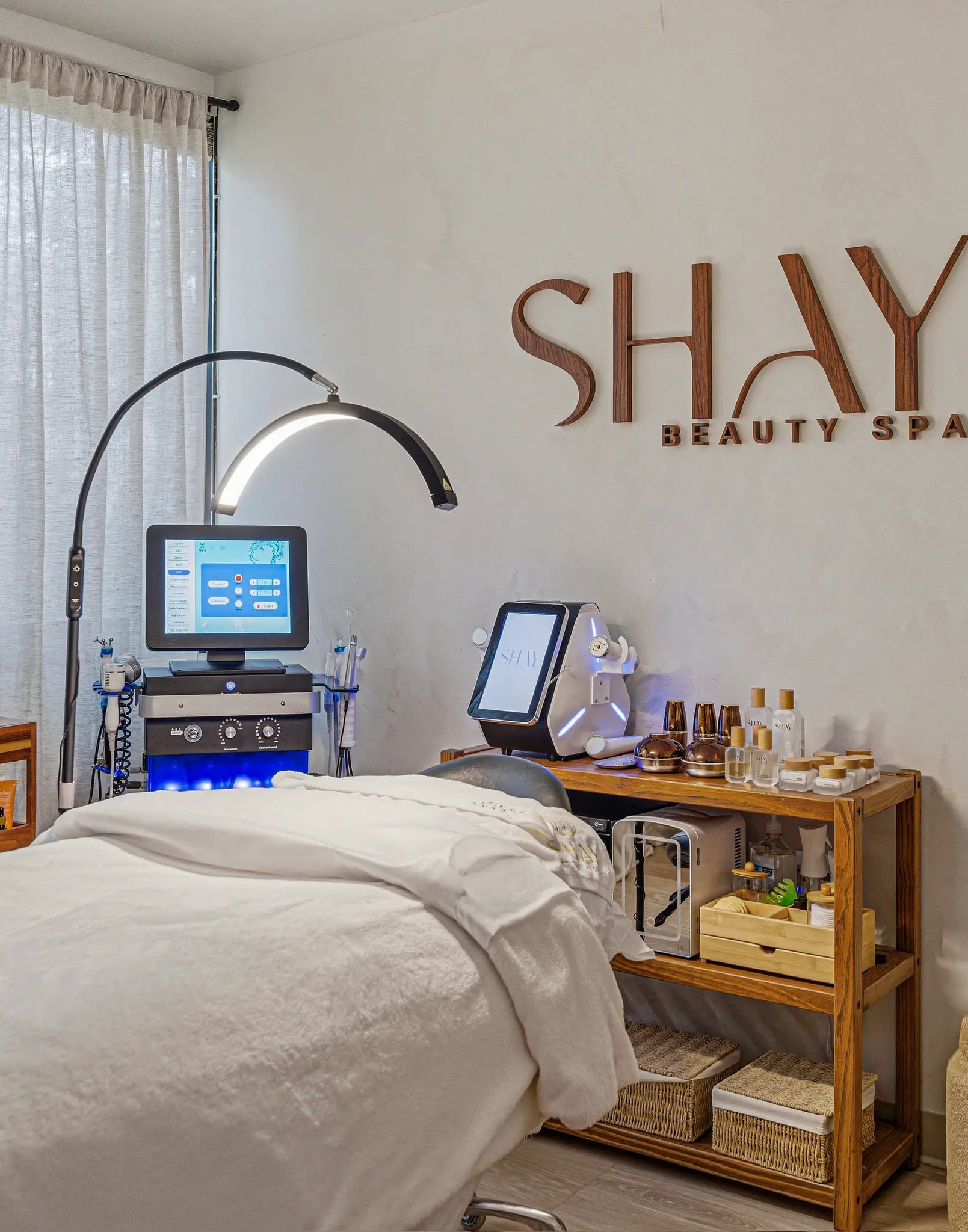
The hydrafacial offered at Shay Beauty Spa MedSpa follows this same general structure, and staff can adjust the serum selection based on what a client's skin seems to need that day.
Which Facial Is Better for Your Skin Goals?
There isn't a universal answer to which facial is better; it depends on your priorities.
- Choose dermaplaning if: you want immediate smoothness, prefer product-free exfoliation, or want a treatment that pairs well before makeup application or other facials.
- Choose hydrafacial if: you're dealing with dullness, mild congestion, or dehydration and want a more comprehensive session that combines cleansing, extraction, and hydration.
- Consider both if: your provider recommends alternating or combining treatments over time as part of a broader skincare routine.
Some clients also explore other options, such as microneedling with salmon DNA or a signature facial, depending on concerns like texture, fine lines, or overall maintenance. A licensed esthetician or medical aesthetics provider can help map out which combination makes sense for your skin type and goals.
Comparing Cost, Downtime, and Results
Pricing for both treatments varies by region and provider, but here are typical national ranges to use as a starting reference:
- Dermaplaning: roughly $75 to $150 per session.
- Hydrafacial: roughly $150 to $300 per session, depending on the specific protocol and add-ons.
Downtime for both is minimal to none. Dermaplaning may leave skin slightly pink for a short period, while hydrafacial can occasionally cause mild redness that typically fades within a few hours. Neither treatment involves needles, so most people return to normal activities the same day.
Results are generally described as short-term skin refreshment rather than permanent change. Many providers recommend a series of sessions, spaced four to six weeks apart, to help maintain smoother texture and a more even tone over time. As with any aesthetic treatment, outcomes vary by individual and should never be treated as guaranteed.
How to Choose a Provider in Bedford
Choosing a facial treatment isn't just about the treatment itself; the provider's experience and approach to skin assessment matter just as much. When evaluating med spas in the Bedford area, consider:
- Whether the esthetician or provider is licensed and trained specifically in the treatment you're requesting.
- How thoroughly they assess your skin type and history before recommending a protocol.
- Whether they're transparent about realistic outcomes rather than making guaranteed promises.
- The overall cleanliness and professionalism of the facility.
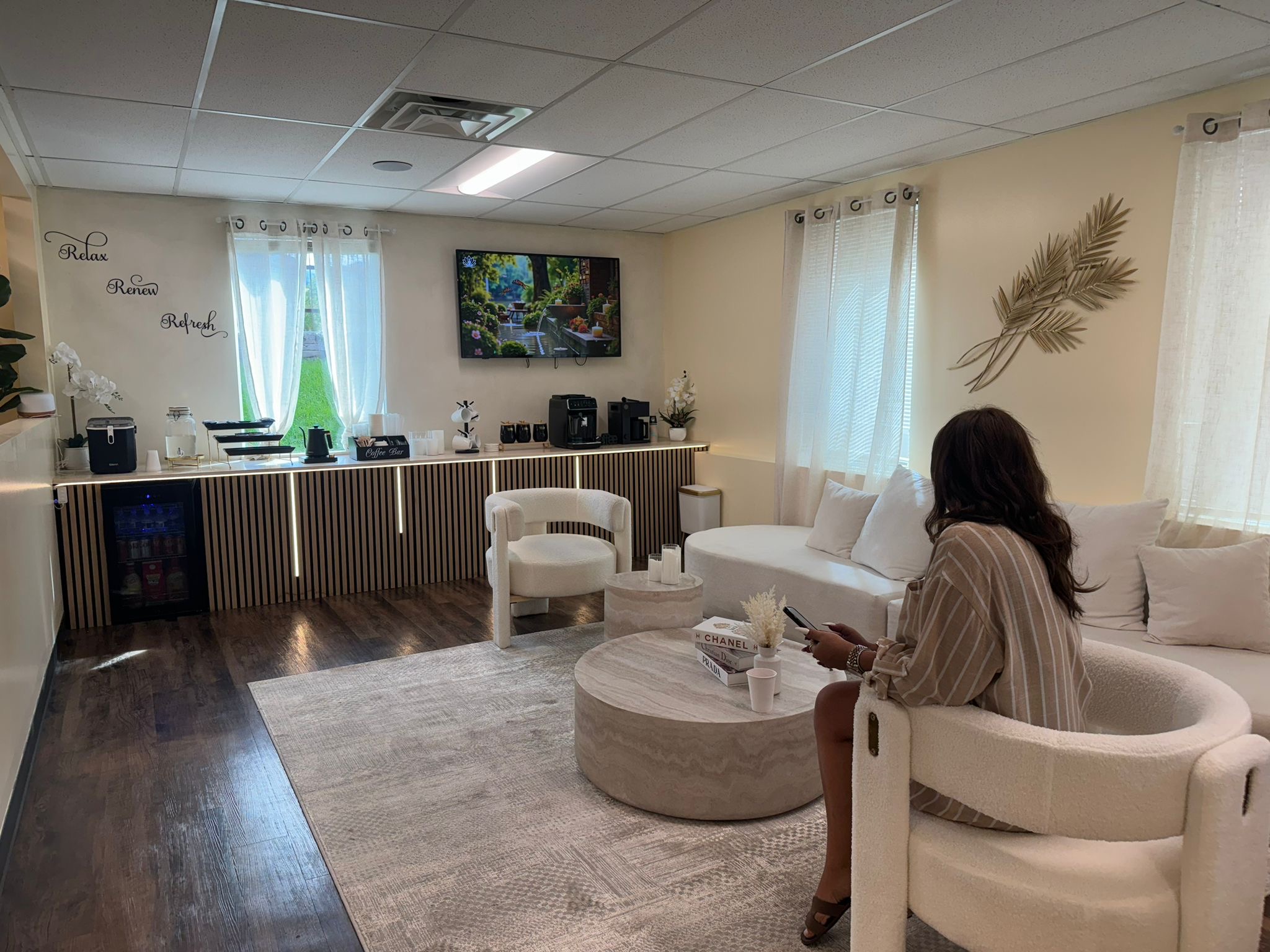
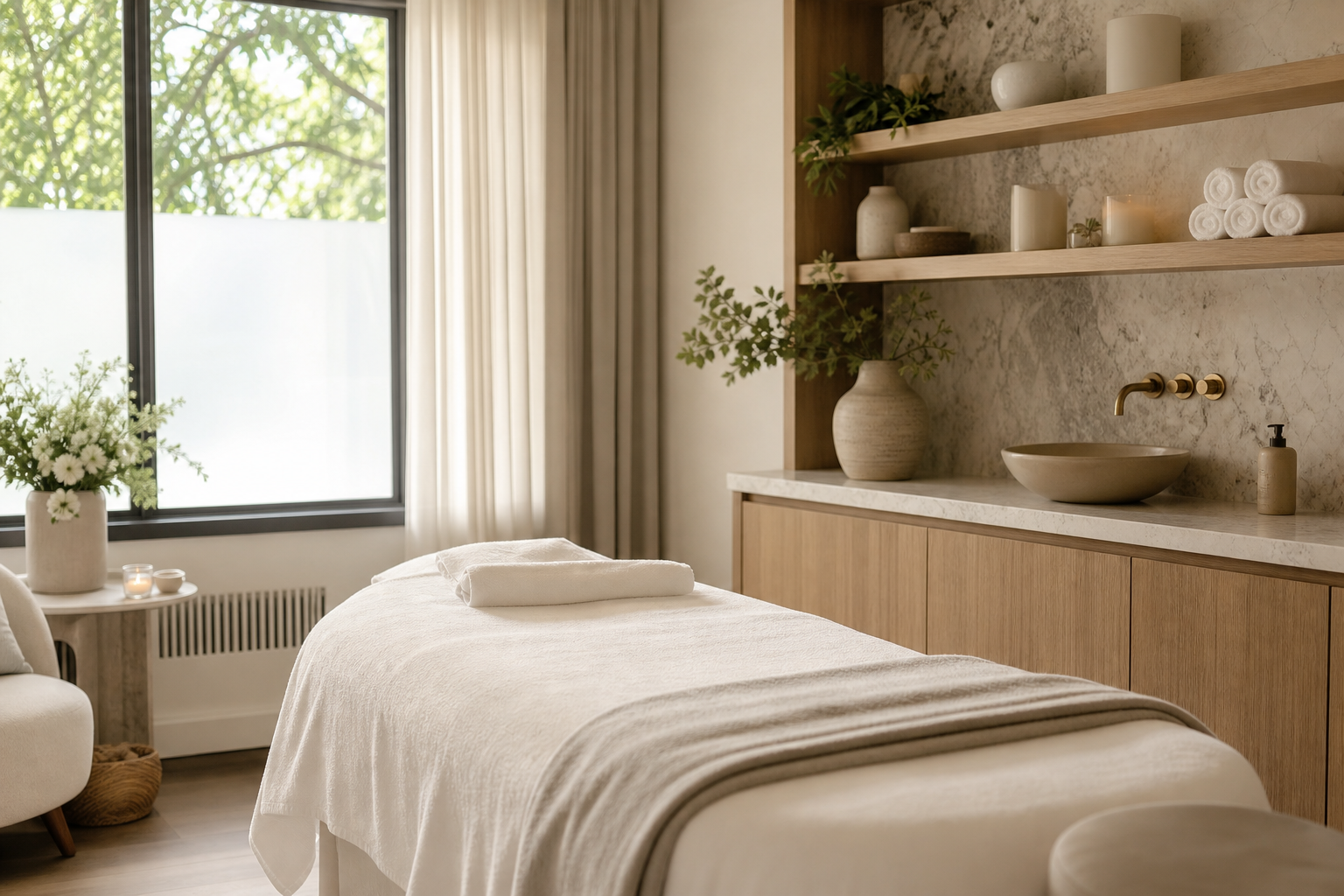
Shay Beauty Spa MedSpa in Bedford, MA, positions itself around this kind of considered approach, describing its focus as "Advanced Skin Treatments" designed to help clients "rejuvenate" in a calm, spa-like setting. For anyone weighing dermaplaning vs hydrafacial locally, it's worth asking directly which treatment the provider would recommend based on a brief skin consultation, since the right answer often depends on details a photo or price list can't capture.

Ready to experience Shay Beauty Spa MedSpa in Bedford?
Book a Visit at Shay Beauty Spa MedSpaFinal Thoughts
If you're still undecided on dermaplaning vs hydrafacial, start by identifying your main concern: surface texture and unwanted fine hair point toward dermaplaning, while dullness, congestion, or dehydration point toward hydrafacial. From there, book a consultation with a licensed provider who can examine your skin in person and recommend a treatment plan, whether that's one option, the other, or a rotation of both over time. Bring a list of any skin sensitivities, current products, and questions about aftercare so you leave with a clear, personalized plan rather than a generic recommendation.