Does dermaplaning make hair grow back thicker? It's one of the most common questions we hear from readers considering this popular exfoliation treatment, and the short answer is no, but the full explanation involves understanding how vellus hair (the fine "peach fuzz" on the face) actually behaves after being shaved. This article breaks down the science, separates dermaplaning myths from dermaplaning facts, and explains what to expect if you're considering this treatment at a spa near you.
Key Takeaways
- Dermaplaning does not change hair thickness, color, or growth rate; regrowth simply appears blunt at first because the hair is cut straight across.
- Vellus hair growth cycles are determined by genetics and hormones, not by shaving or dermaplaning treatments.
- Typical sessions run every 3 to 4 weeks and cost between $75 and $250 depending on region and provider.
Does Dermaplaning Make Hair Grow Back Thicker? The Short Answer
No credible dermatological evidence supports the idea that does dermaplaning make hair grow back thicker in any lasting way. The confusion stems from a simple optical and tactile illusion: when a blade cuts vellus hair, it creates a blunt tip instead of the naturally tapered end the hair had before. That blunt edge can feel coarser to the touch and may catch light differently, making regrowth appear darker or denser for the first few days.
Hair thickness and growth rate are controlled by the hair follicle itself, which sits below the skin's surface. Dermaplaning only removes the visible shaft and the top layer of dead skin cells; it never touches the follicle. Because the follicle is untouched, there is no physiological mechanism by which does dermaplaning make hair grow back thicker could be true.
Understanding Vellus Hair Growth and Dermaplaning Myths
Vellus hair growth is a normal, lifelong process. These fine, usually unpigmented hairs cover most of the body and serve a subtle role in temperature regulation and sensory function. Their growth cycle length and diameter are set well before you ever pick up a dermaplaning tool.
What Dermaplaning Actually Does
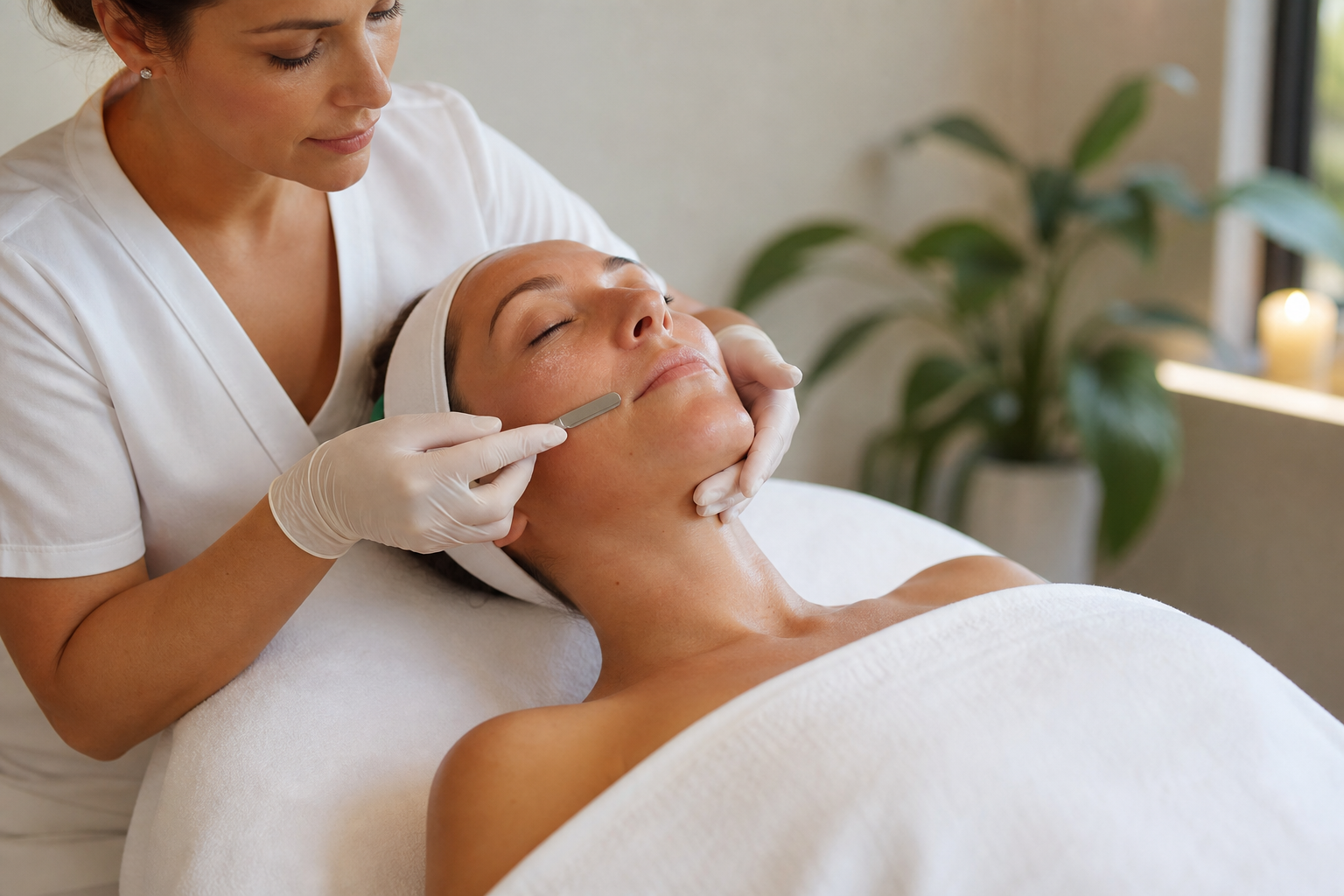
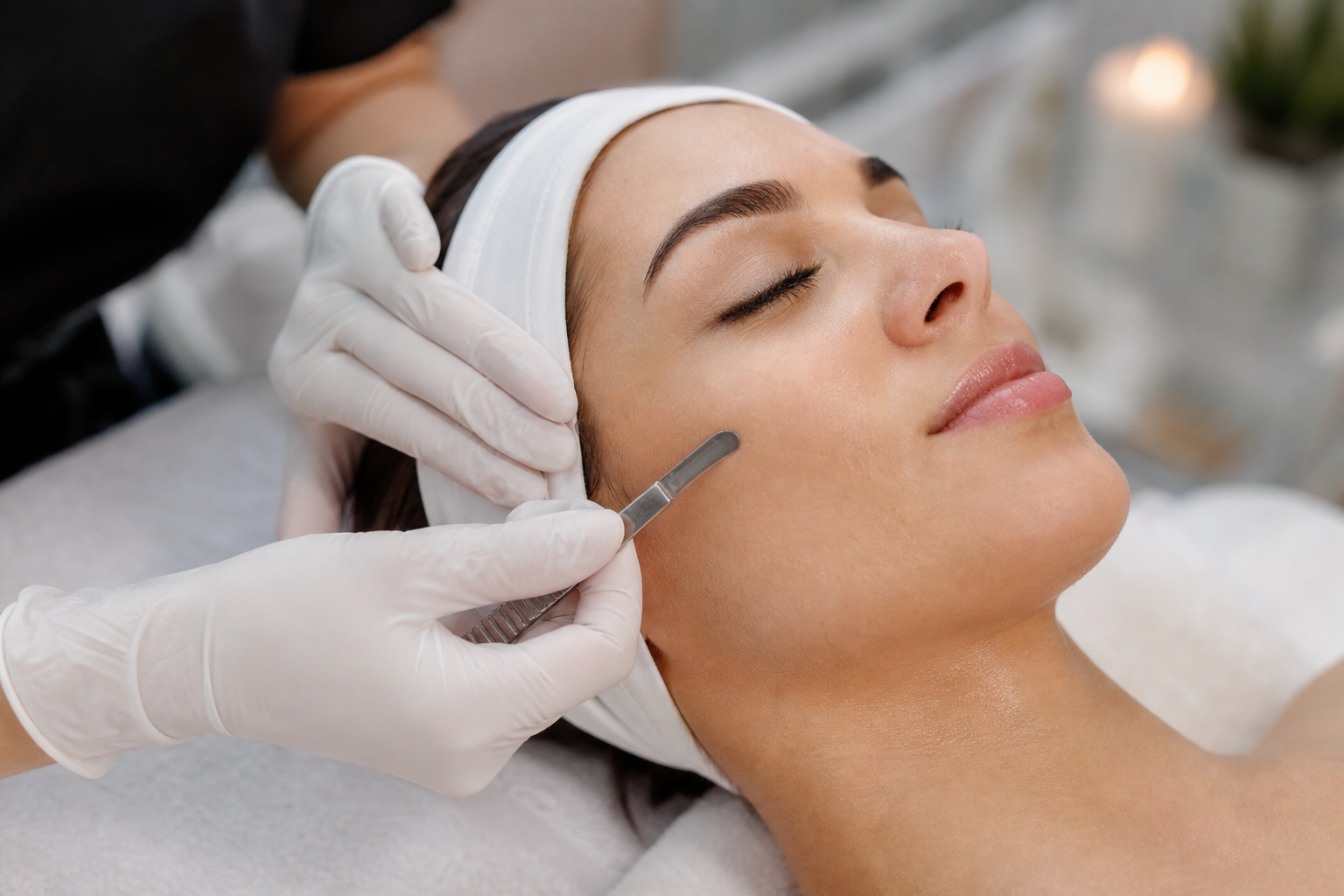
During a professional treatment, an esthetician uses a sterile, surgical-grade blade held at a shallow angle to gently scrape across the skin's surface. This process, sometimes offered at spas like Shay Beauty Spa MedSpa in Bedford, MA, removes:
- Dead skin cell buildup on the epidermis
- Fine vellus hair (peach fuzz)
- Surface debris that can dull skin tone
The result is often smoother-feeling skin and a brighter appearance, since makeup and skincare products can sit more evenly without a layer of fine hair and dead cells in the way.
Dermaplaning Facts vs Fiction: Peach Fuzz Regrowth Explained
Separating dermaplaning facts from long-standing myths helps set realistic expectations. Here is what typically happens with peach fuzz regrowth:
- Myth: Shaved facial hair grows back darker and coarser.
- Fact: The hair diameter and pigment are unchanged; only the tip shape differs temporarily.
- Myth: Dermaplaning causes permanent increases in hair density.
- Fact: Hair follicle count is genetically determined and does not increase from surface exfoliation.
- Myth: Regrowth is faster after dermaplaning.
- Fact: Growth speed follows the same cycle it always has; you're simply noticing new growth because the slate was wiped clean.
Within a week or two, most people report that regrowth looks and feels exactly as it did before treatment. If you have specific concerns about vellus hair growth patterns, a licensed provider can review your skin history and answer questions unique to your situation.
Who Is a Good Candidate for Dermaplaning?
Dermaplaning is generally well suited to people with:
- Dry or dull-looking skin seeking an immediate brightening effect
- Fine facial hair they'd like temporarily removed for smoother makeup application
- No active acne breakouts, cold sores, or inflamed skin conditions in the treatment area
It is typically not recommended for those with active cystic acne, certain skin infections, or extremely sensitive/reactive skin, since the exfoliation can aggravate these conditions. A consultation with a licensed esthetician or medical aesthetics provider is the best way to determine if it's appropriate for you.
What to Expect: Treatment, Pricing, and Aftercare
A typical dermaplaning session takes 30 to 45 minutes and involves no anesthesia, downtime, or discomfort beyond a light scraping sensation. Many providers pair it with complementary treatments such as a Hydrafacial to combine exfoliation with deep hydration in one visit.
Typical Cost Ranges
Pricing varies by region, provider experience, and whether the service is bundled with other facials. As a general national reference point:
- Standalone dermaplaning: roughly $75 to $150 per session
- Dermaplaning combined with a hydrating or resurfacing facial: roughly $150 to $250 per session
These are typical averages, not fixed prices; always confirm current pricing directly with your chosen spa.
Aftercare Tips
- Apply broad-spectrum SPF diligently for at least a week, since freshly exfoliated skin is more sun-sensitive
- Avoid harsh actives like retinoids or strong acids for 24 to 48 hours post-treatment
- Keep skin hydrated with a gentle, fragrance-free moisturizer
- Skip additional physical exfoliation for several days to let the skin barrier recover
Choosing a Dermaplaning Provider in Bedford
When selecting a provider, look for licensed estheticians or medical aesthetics staff who use single-use, sterile blades and maintain a clean treatment environment. Ask about their experience with sensitive skin types and whether they can customize the session length or pressure to your comfort level.
Shay Beauty Spa MedSpa in Bedford, MA offers Dermaplaning alongside other advanced skin treatments, including Hydrafacial, Microneedling With Salmon DNA, and a Signature Facial. Their described focus on "Advanced Skin Treatments" in a serene, spa-like retreat makes them a reasonable local option worth researching further if you're in the Bedford area.

Ready to experience Shay Beauty Spa MedSpa in Bedford?
Book a Visit at Shay Beauty Spa MedSpaNext Steps
If you've been wondering does dermaplaning make hair grow back thicker, the evidence is clear: it doesn't change hair biology, only the appearance of the cut tip temporarily. Before booking, write down any skin sensitivities or medications you're using and bring that list to your consultation so the provider can tailor the treatment safely. If you're curious how dermaplaning might fit alongside other services like microneedling or a hydrating facial, ask your provider about combination treatment plans during your visit.